
Prime Minister Narendra Modi recently shared a selfie-style video to announce the passage of the Public Examinations (Prevention of Unfair Means) Amendment Bill, 2026. In his message, Modi praised the legislation as a pivotal move toward establishing a credible examination system in India. He also pledged to take stringent measures against what he termed the “paper mafia,” referring to those involved in corrupt practices during public exams.
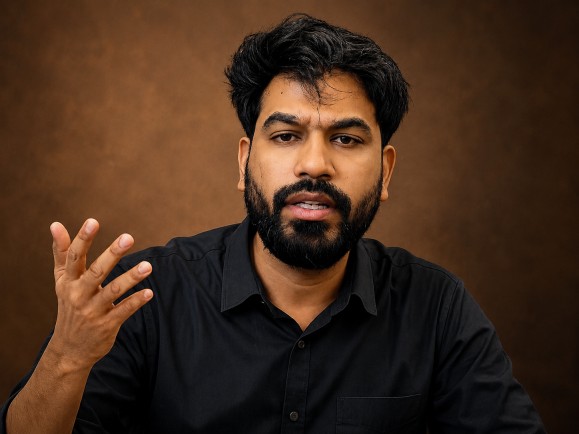
However, the initiative has not been without its critics. Abhijeet Dipke, founder of the Cockroach Janta Party (CJP), took to social media to voice his disapproval of Modi’s presentation and the bill’s focus. Dipke mocked the Prime Minister’s appearance in the video and questioned whether simply enacting stricter laws would effectively address the persistent issue of exam paper leaks.
The CJP argues that the new legislation disproportionately emphasizes punishment over prevention. Instead of merely focusing on penalizing offenders, Dipke and his party advocate for comprehensive structural reforms aimed at preventing leaks in the first place. They suggest that a more effective approach would involve increasing transparency and implementing changes within the National Testing Agency (NTA), the body responsible for conducting public examinations.
While the government’s efforts to curb unfair practices in public examinations have been acknowledged, Dipke’s remarks highlight a broader debate about the best methods to ensure the integrity of the examination process. The CJP’s call for deeper systemic changes suggests that legislative efforts alone may not suffice to resolve the issue entirely. By advocating for a multifaceted strategy, they push for a solution that balances enforcement with preventive measures to address the root causes of exam paper leaks.
As the government implements this new legislation, the contrasting perspectives underscore the complexity of achieving a fair and transparent examination system. The dialogue sparked by these differing views emphasizes the need for ongoing discussion and evaluation of both legislative and structural approaches to safeguard the credibility of public exams in India.