
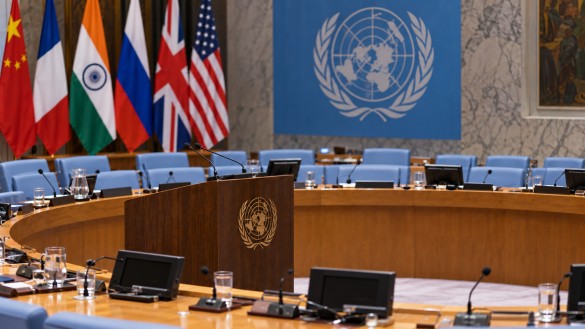
India has intensified its call for comprehensive reforms to the United Nations Security Council (UNSC), emphasizing the need for changes that encompass membership categories, regional representation, the council’s size, its working methods, and the use of veto power. Speaking at the United Nations, India’s Permanent Representative, Parvathaneni Harish, underscored the importance of addressing these five areas collectively, rather than isolating the veto issue from the broader reform agenda.
Harish articulated India’s stance that the exercise of veto power, currently held by the five permanent members—the United States, the United Kingdom, France, Russia, and China—should align with responsible conduct, particularly concerning matters of international peace and security. He criticized the disproportionate use of veto power by a select few countries, which he argued has eroded the UNSC’s credibility and effectiveness.
Highlighting historical data, Harish noted that the veto has been exercised 331 times throughout the UN’s history, with most instances involving three of the five permanent members. He referenced a 2022 initiative that mandates a UN General Assembly debate whenever a veto is cast, a measure aimed at enhancing accountability.
India insists that any new framework for permanent membership should ensure equal rights and responsibilities among permanent members, including equal access to veto power. The country warned against creating a separate category of permanent members without equivalent veto rights, as it could further complicate the reform process.
Additionally, India reaffirmed its support for the Common African Position, which advocates for a unified approach by the African Union in pushing for UNSC reforms. This stance reflects India’s broader effort to promote a more representative and accountable Security Council, equipped to address contemporary global challenges effectively.