The Bank of England’s rate cut to 3.75% wasn’t just about market forces; it was about government intervention. The MPC explicitly cited the Chancellor’s package to cut household energy bills as a key factor in their decision. They calculate that this subsidy will knock half a percentage point off inflation in early 2026.
This “hidden hand” of fiscal policy gave the Bank cover to act. Without the energy bill cuts, inflation forecasts would have been higher, and the vote might have swung the other way (to a hold). The government effectively bought the rate cut by subsidizing energy costs.
This coordination is crucial. It shows that the Treasury and the Bank are working in tandem to engineer a soft landing. The Treasury suppresses the headline inflation number with subsidies, allowing the Bank to lower borrowing costs to support growth. It is a complex economic dance.
However, it raises questions about sustainability. If energy prices rise again when the subsidies end, inflation will pop back up. The Bank is betting that by then, underlying pressures will have faded. It is a bridge to the future, built on government borrowing.
For the household, the distinction doesn’t matter. They get lower bills and lower mortgage rates. But for economists, it is a sign that the “free market” approach to inflation has been supplemented by heavy state intervention.
Energy Bill Intervention: The Hidden Hand Behind the Bank’s Interest Rate Decision
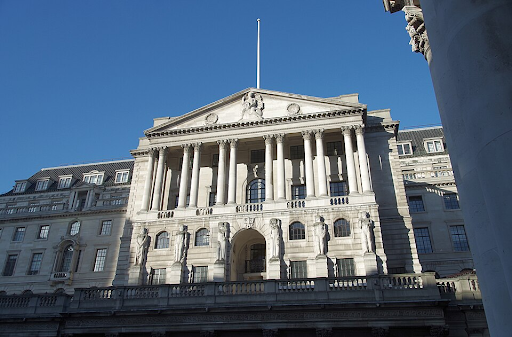
Photo by mattbuck, via wikimedia commons
26