The US government is reportedly easing off the accelerator on the implementation of long-promised semiconductor tariffs, a central plank of Donald Trump’s protectionist economic agenda. This quiet, yet significant, deceleration represents a major strategic pause in a trade policy that has kept Washington on edge for months. The unexpected delay is sending a clear signal that the administration is prioritizing stable supply chains over an immediate tariff offensive. The original plan aimed to dramatically reshape the global chip market, but is now encountering stiff internal caution.
Confidential sources close to the internal policy conversations indicate that both government agencies and industry leaders were informed over the past week of the administration’s new, more cautious timeline. Insiders suggest the root cause of this newly adopted hesitation is a deep-seated fear that moving too aggressively with the tariff policy could immediately incite a damaging new trade war with the People’s Republic of China. This potential for retaliation is viewed as an unacceptable economic risk in the short term.
Advisors have raised serious concerns about the potential for sweeping tariffs to instantaneously cripple the flow of essential raw materials. Specifically, officials are highlighting the vulnerability of US industries relying on inputs like rare earth minerals. While officials stress that the ultimate commitment to the tariffs has not been rescinded, they are deliberately slowing the process to avoid a sudden, major diplomatic crisis and give companies time to adjust their sourcing strategies.
While these internal signals point to a clear shift in execution speed, the White House has publicly denied any change in their core policy direction. The administration firmly maintains its commitment to the goals of boosting domestic production and robustly protecting national security. However, this public denial is undermined by their continued inability to offer any definitive clarity on the effective date for the tariffs, which have been under consideration since the beginning of the previous presidential term.
The decision to delay is highly charged given the current political and economic climate. With cost of living concerns dominating the political discourse, introducing a new tax on imported electronic components risks pushing up the price of goods right before the crucial holiday spending period. Moreover, the administration is simultaneously attempting to nurture a delicate ceasefire in trade tensions that was recently established during talks with President Xi Jinping.
Supply Chain Jitters: Chip Tariff Rollout Stalls Over China Retaliation Fear
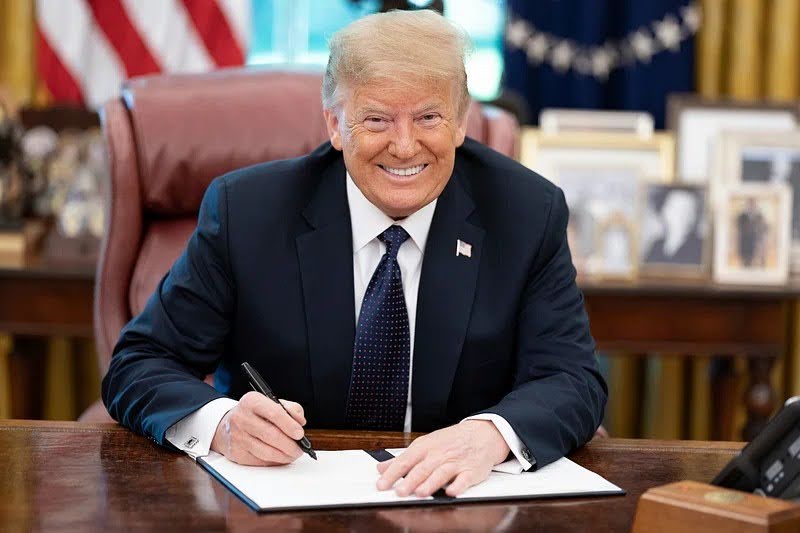
Picture Credit: www.rawpixel.com
41