Many people approach back health through either flexibility or strength work while neglecting the other, but a yoga instructor demonstrates that both qualities prove essential for optimal spinal health. Her teaching reveals that the most effective back care integrates flexibility and strength development in appropriate balance rather than emphasizing one at the expense of the other.
This expert’s approach begins with understanding the distinct but complementary roles of flexibility and strength. Flexibility enables joints and tissues to move through necessary ranges of motion without restriction or excessive stress. When flexibility is inadequate, normal movements require excessive force, create compensatory patterns, or exceed safe ranges at certain tissues while failing to utilize others fully. Strength enables muscles to control movement, maintain postural positioning, and protect structures from excessive forces. When strength is inadequate, even optimal flexibility cannot prevent injury as tissues lack protective support.
The instructor emphasizes that most people need both but in specific patterns. Many people have excess flexibility (hypermobility) in some areas while having inadequate flexibility (restriction) in others. Similarly, most people have adequate or even excessive strength in some muscle groups while having severe weakness in others. The key lies in identifying individual patterns and addressing specific limitations rather than pursuing generic flexibility or strength without attention to individual needs.
For typical modern sedentary patterns, most people need increased flexibility in anterior structures chronically shortened by sustained sitting and forward postures: hip flexors, chest muscles, anterior neck muscles. They simultaneously need increased strength in posterior structures chronically weakened and over-lengthened: hip extensors, upper back muscles, posterior neck muscles. This pattern suggests that effective general protocols should emphasize posterior strengthening and anterior stretching rather than balanced development of all areas.
The instructor’s protocols address both elements. The postural sequence establishes positioning that itself requires appropriate flexibility and strength to maintain—adequate hip flexor flexibility enabling proper pelvic positioning, adequate posterior chain strength maintaining upright spine position, adequate chest flexibility enabling shoulders to settle back properly. The strengthening exercises develop crucial posterior strength while simultaneously providing anterior stretching. The first wall-based exercise strengthens the entire posterior chain while stretching the anterior structures—standing at arm’s distance, palms high, torso hanging parallel to ground, straight legs, holding one minute or longer. This elegant combination addresses both needs simultaneously, making it remarkably efficient. The second exercise builds rotational strength and thoracic mobility—arm circles and rotation, holding one minute per side.
The instructor suggests complementing these integrated exercises with dedicated stretching of typically tight areas. Hip flexor stretches targeting the iliopsoas prove particularly important as this muscle group becomes chronically shortened in most sedentary individuals. Chest stretches opening the pectoral muscles help reverse the forward shoulder rounding typical of computer work. Anterior neck stretches address the forward head position common in screen users. These dedicated stretches require only minutes but provide benefits beyond what strengthening exercises alone achieve.
The balance between flexibility and strength work should favor strength for most people given that modern lifestyles create more severe strength deficits than flexibility limitations. A reasonable approach might include 10-15 minutes of strengthening work for every 5 minutes of dedicated stretching. However, individuals with hypermobility (excessive flexibility) may need greater strength emphasis while individuals with severe restriction may need more balanced protocols including substantial stretching.
The instructor emphasizes that the most effective approach addresses individual patterns rather than following generic prescriptions. People should assess their specific limitations—are they restricted and weak everywhere? Flexible but weak? Strong but inflexible? The answers determine optimal protocols. For most modern sedentary individuals, the answer involves inadequate posterior strength combined with excessive anterior tightness, suggesting protocols emphasizing posterior strengthening and anterior stretching as the most efficient path to balanced, healthy back function.
The Flexibility-Strength Balance: Why You Need Both for a Healthy Back
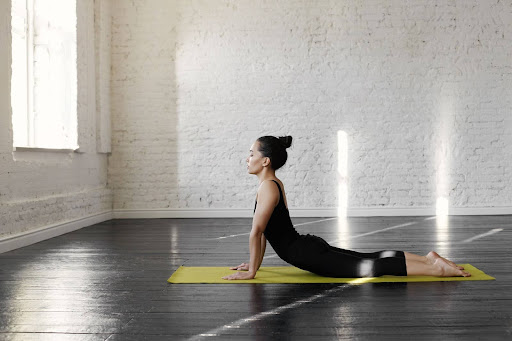
Picture Credit: www.freepik.com
3