
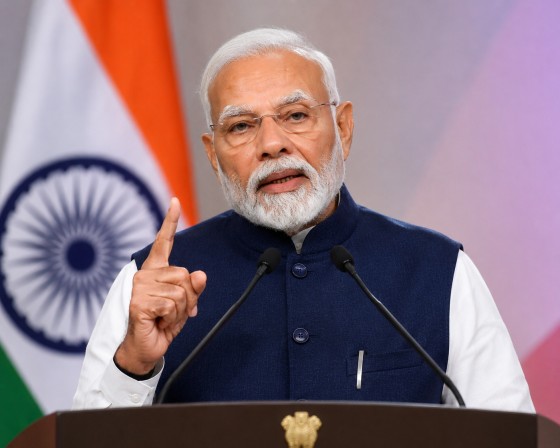
In response to ongoing examination paper leaks that have sparked widespread student protests across New Delhi, Indian Prime Minister Narendra Modi has unveiled plans to establish fast-track courts aimed at delivering swift justice to those implicated in these incidents. Modi has emphasized that individuals who threaten the future of India’s youth by compromising examination integrity “will not be spared.” He shared this development on social media, highlighting that the government is committed to taking comprehensive measures to safeguard students’ interests.
The introduction of these courts forms part of a larger initiative to enforce stricter and more rapid penalties in cases of examination paper leaks. This move comes as public confidence in India’s examination system has been severely undermined by repeated irregularities, such as the leak of a national medical entrance exam paper that required millions of candidates to retake their tests. Additionally, controversies surrounding high school examination evaluations have further intensified criticism of the education system.
Protests have escalated in the capital, with students demanding accountability for the leaks and calling for the resignation of the education minister. Tensions reached a boiling point earlier this week when clashes erupted between demonstrators and police near Parliament, resulting in several injuries. Originally focused on exam-related grievances, the protests have since expanded to encompass broader issues, including unemployment and the lack of opportunities for the younger generation.
The government’s decision to implement fast-track courts is intended to enhance accountability and restore public trust in the examination process. By ensuring quicker resolutions and stricter punishments, authorities aim to address the growing dissatisfaction among students and reassure them of the system’s integrity. As the situation develops, the effectiveness of these measures in quelling unrest and rebuilding confidence will be closely watched.