The Isles of Scilly occupy a position of profound significance in Cornwall’s prehistoric landscape. From the Land’s End peninsula, these islands appear on the southwestern horizon precisely where the winter solstice sun sets. Their flickering visibility—sometimes clear, sometimes invisible—may have reinforced beliefs about western horizons as gateways between physical and spiritual realms.
From Tregeseal stone circle, the islands manifest as spectral presences. Atmospheric conditions determine their visibility dramatically. High pressure systems create clarity that makes the islands appear close and detailed. Low pressure or hazy conditions render them completely invisible. This instability creates impressions of a realm existing between worlds—neither consistently present nor permanently absent.
Archaeoastronomer Carolyn Kennett suggests Tregeseal’s builders deliberately positioned the circle to frame these views. Ancient peoples may have interpreted the islands’ appearing and disappearing nature as evidence of liminal spaces where boundaries between life and death, known and unknown, became permeable. The winter solstice, when the sun reached its southern extreme, would have been appropriate for rituals acknowledging these threshold spaces.
Cultural associations between western directions and death appear across many societies, often related to the setting sun’s apparent descent into darkness. Cornwall’s position at Britain’s southwestern edge, with the Isles of Scilly positioned precisely where the winter solstice sun sets, would have intensified these associations and influenced how communities understood seasonal cycles as metaphors for life, death, and renewal.
Modern observers can still experience these phenomena. The islands continue flickering on the southwestern horizon based on weather conditions. Contemporary understanding of atmospheric optics explains the visibility variations without diminishing their aesthetic or symbolic power. The Montol festival maintains connections to these ancient themes through torch-lit processions toward the sea—moving toward the western horizon where sun and islands mark the solar gateway. This combination of prehistoric monument alignments, natural phenomena, and living cultural traditions demonstrates how Cornwall’s landscape continues inspiring contemplation of boundaries, transitions, and the mysterious spaces between worlds.
The Otherworldly Islands That Mark Cornwall’s Solar Gateway
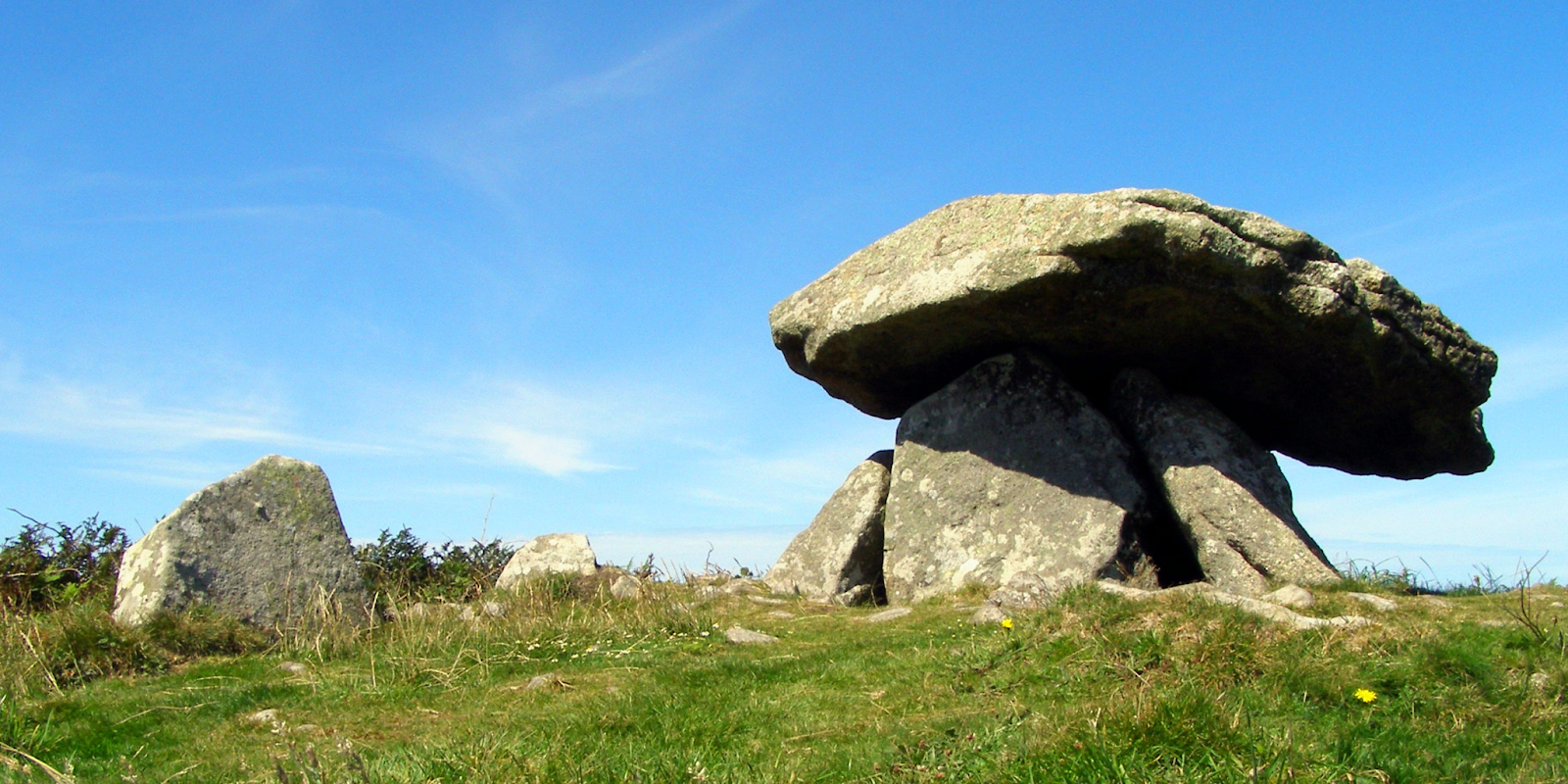
Photo by Jim Champion (treehouse1977), via wikimedia common
27