
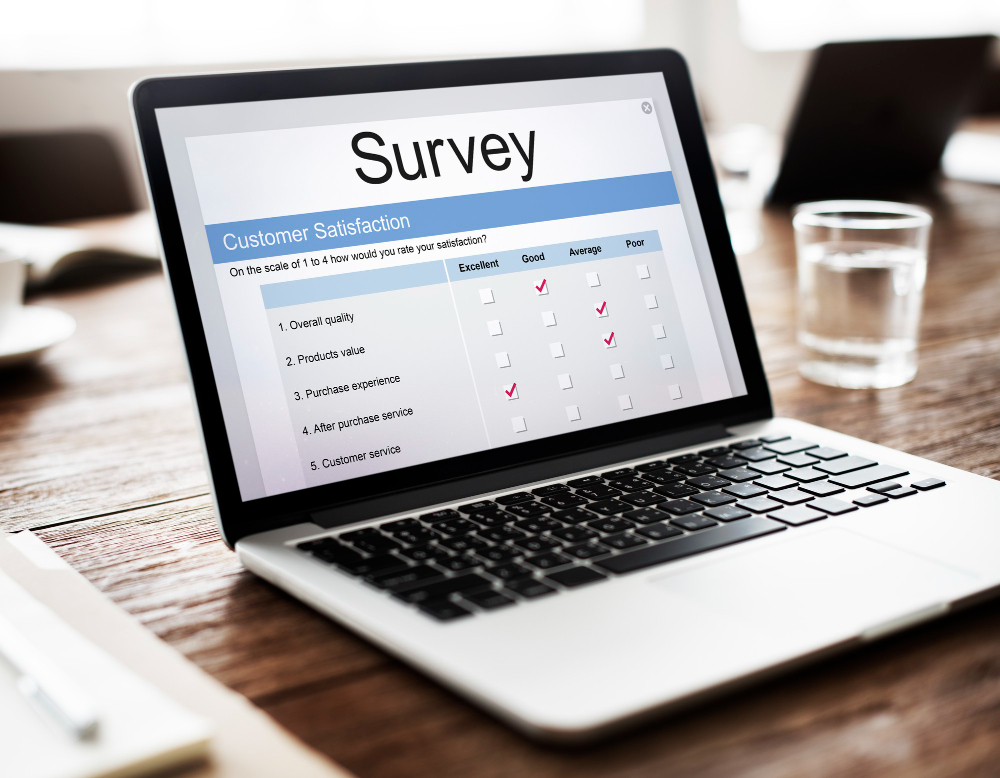
In India, consumer surveys are pivotal tools in market research, providing valuable insights into customer preferences, satisfaction, and brand perception. These surveys, which can be conducted through various methods such as digital platforms, telephonic interviews, and face-to-face interactions, are essential for companies to mitigate risks associated with new product launches and refine their marketing strategies. With a high failure rate of 70 to 80 percent for new FMCG products within the first two years, these surveys help brands differentiate successful concepts from potentially costly assumptions.
Consumer surveys leverage a range of methods to gather data efficiently, including online surveys for quick responses from tech-savvy urban audiences, and mobile-app based surveys for broader reach across different demographics. Meanwhile, telephonic interviews are useful in areas with high mobile penetration but limited internet access, and face-to-face interviews cater to regions where literacy and trust necessitate personal interaction. These various methodologies ensure comprehensive coverage across India’s diverse market tiers, from the bustling metros to rural areas.
The application of consumer surveys extends across several domains, including customer satisfaction tracking, brand health monitoring, and product concept testing. These surveys also aid in pricing studies, market entry feasibility, and customer journey mapping, thus supporting both B2C and B2B sectors. The insights derived from these surveys empower businesses to make data-driven decisions, validate hypotheses before significant investments, and measure brand and customer health effectively.
India’s tiered market structure requires tailored survey execution strategies. In Tier-1 cities, digital-first approaches dominate, while Tier-2 cities benefit from hybrid methodologies that combine telephonic and face-to-face interactions. In contrast, rural areas depend heavily on in-person interviews conducted in regional languages to build trust and ensure high response rates. The New Consumer Classification System (NCCS) further aids in aligning samples to accurately reflect India’s socio-economic diversity.
Looking ahead, consumer research in India is evolving with advancements such as AI-driven survey design and vernacular voice-AI surveys reaching low-literacy respondents. These innovations, coupled with the shift in focus towards the emerging markets of Tier-3, Tier-4, and rural India, are reshaping the landscape of consumer surveys. By converting customer feedback into actionable insights, these surveys offer measurable business value, enhancing product development success and boosting revenue from new launches.