
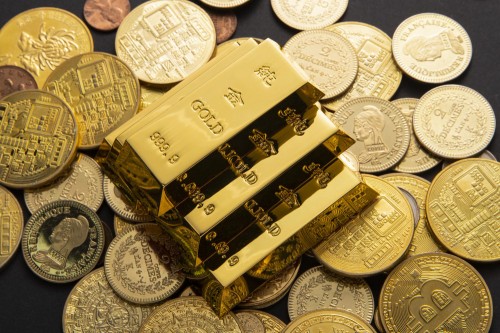
This week saw a downturn in gold prices as the market responded to the ongoing uncertainty surrounding US–Iran negotiations, which aim to resolve the broader conflict in the Middle East. Trading close to $4,450 per ounce, gold faced a weekly loss of approximately 2%. Investors were left in limbo due to mixed signals from both nations; US officials indicated that peace talks were nearing completion, while Iranian representatives countered that significant progress remained elusive.
The conflict, now extending into its fourth month, has significantly affected vital energy routes through the Strait of Hormuz. This disruption has contributed to soaring oil prices and reignited global inflation worries. The inflationary pressures have led many to believe that central banks might keep or even increase interest rates, which in turn diminishes the appeal of non-yielding assets such as gold.
Market analysts have observed that gold has struggled to gain traction, fluctuating within a limited range after notable declines earlier in the conflict. The metal’s value continues to lag behind pre-conflict levels, indicating a drop in demand for conventional safe-haven investments, despite the ongoing geopolitical risks that persist in the region.
While gold and other precious metals experienced declines, the currency markets showed relative stability, reflecting a mixed bag of investor strategies amid the global unease. Experts suggest that the future movement of gold prices will largely depend on whether the geopolitical tensions escalate or if diplomatic measures lead to stability in both the energy markets and inflation expectations.